High Content Genomics and Bioinformatics
Transforming massive biological data into biomedical knowledge through custom omics analysis, applied Artificial Intelligence models, and personalised bioinformatics solutions.
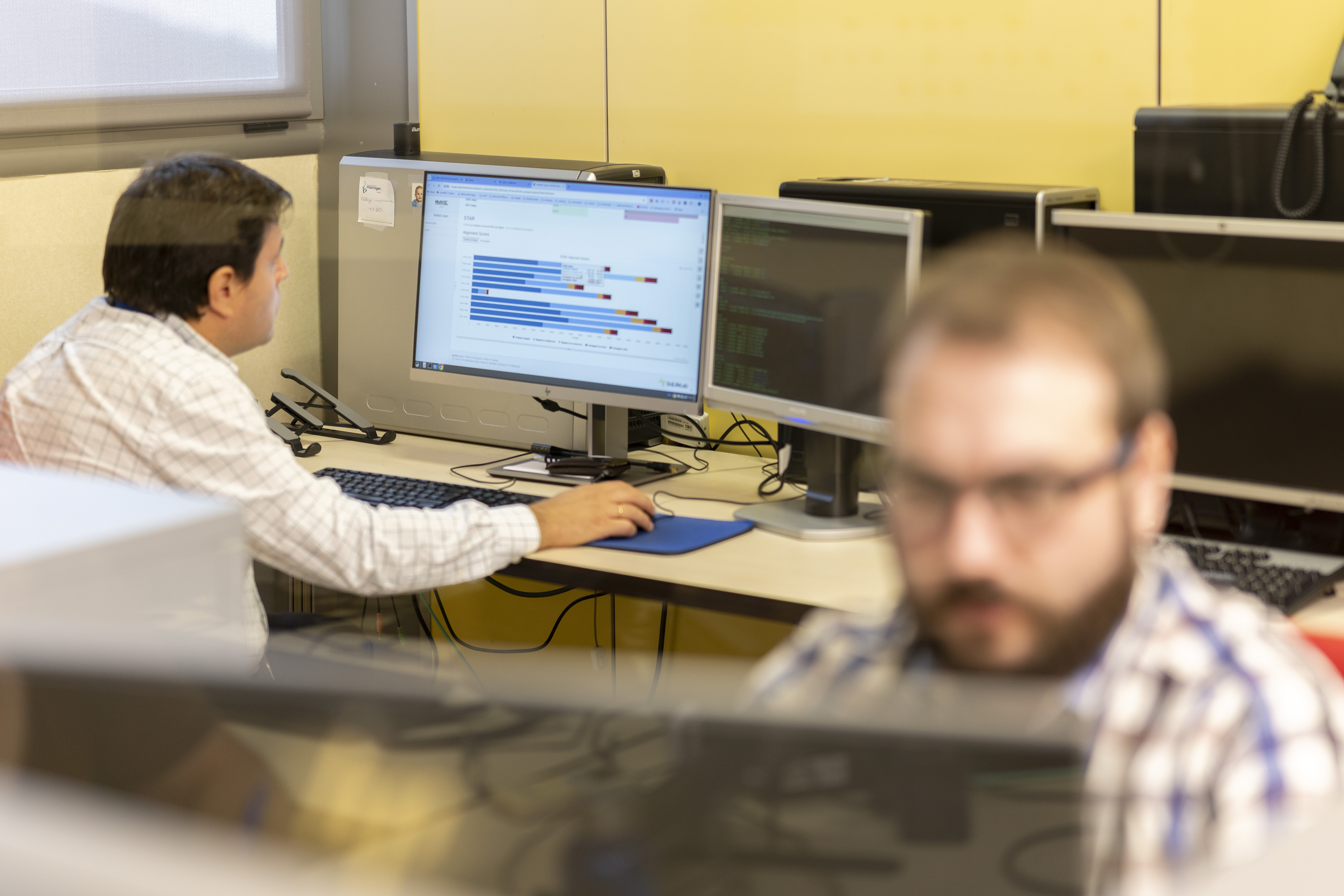
The High-Content Genomics and Bioinformatics Platform at IGTP provides strategic consultancy and specialised analytical services for research groups, hospitals, and biotechnology companies. It manages complex projects end-to-end: from initial experimental design and rigorous laboratory quality control to biological data interpretation using high-performance computing.
Unlike conventional standardised diagnostic or traditional statistical services, the unit acts as a scientific collaborator. The team develops specific workflows (pipelines) to address the unique biological questions of each study, integrating multiple data layers to identify disease mechanisms and biomarkers.
- The unit serves as the IGTP node within the TransBioNet network of the Bioinformatics Platform from Instituto de Salud Carlos III.
- IGTP is a partner member of the Bioinformatics Barcelona (BIB) network.

- IGTP is part of the CERCA GINYS program, designed to facilitate access to scientific and technical services for research groups across the different CERCA centres.

Our differentiating value: project-oriented solutions
Our infrastructure, expertise and experience enable the generation of in-house data, full process control and maximum quality of results. We do not operate as an automated sample processing service; we are actively involved in research development:
- Full-process support: availability for consultation throughout the entire project lifecycle and guidance in the interpretation of results.
- Personalised experimental support: capacity and extensive experience in sample processing for genomic technologies and high-content assays, and pay close attention to detail.
- Custom code development: when standard bioinformatics tools do not meet the needs of the study, adaptation and development of specific scripts.
Work areas and technical capabilities
- Consulting: collaboration prior to study initiation to define methodology, sample size, optimal sequencing depth, and analytical approaches according to project objectives.
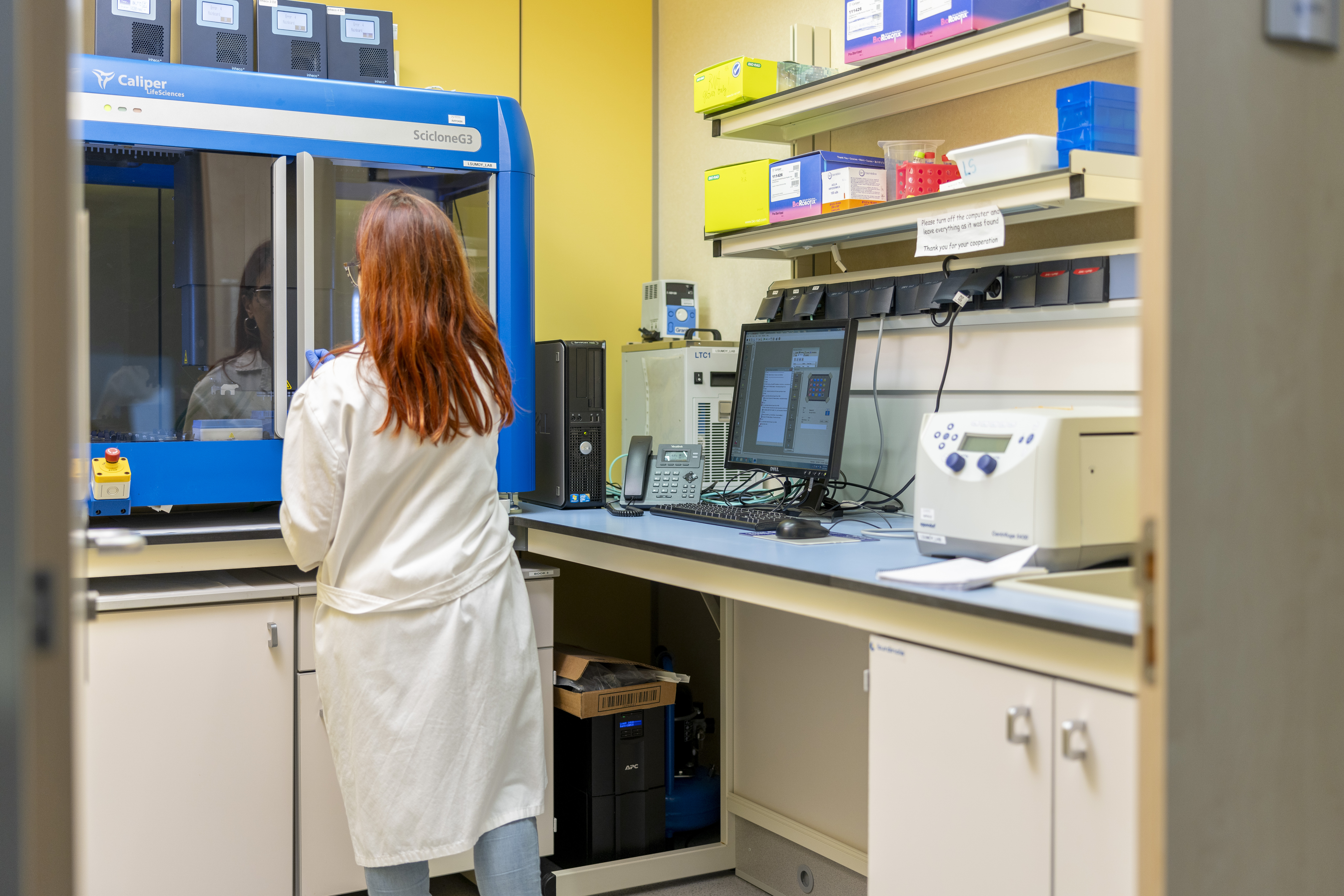
- Quality and automation: rigorous sample quality controls and automation using fluid-handling robotics in 96/384-well plates to minimize batch effects in arrays, NGS and qPCR.
- Custom bioinformatics: tailored workflows for genomic, epigenomic, transcriptomic and other omics data analysis across macroscopic (bulk), microscopic or single-cell resolution, as well as spatially contextualised (spatially resolved omics, pathomics), population-level (microbiome, genetic epidemiology) or systemic (multi-omics, integrative omics) scales.
- AI and biomedical data science: Machine Learning and NLP/LLM models applied to clinical records and structured data. Predictive models applied to clinical auditing, diagnostic support, or hospital management.
- Publication-ready results: Generation of editorial-quality figures and management of data deposition in international repositories under open-access standards.
Service request workflow
Each project is coordinated through established phases to ensure timely delivery and high-quality results:
- Initial meeting: definition of scientific objectives and bioinformatics requirements of the project.
- Technical and financial proposal: definition of the the work plan (laboratory and bioinformatics) and issue the budget.
- Acceptance: confirmation of the request by the user.
- Reception and quality control: intake of samples or raw data under strict viability criteria.
- Processing and delivery: execution of analyses, delivery of structured results and methodological details to ensure study reproducibility.