At the IGTP TODAY

News

- Research

Occupational factors strongly influence Long-COVID risk

Work-related factors play a significant and independent role in the risk of developing Long-COVID, shows a new study based on the COVICAT cohort and led by ISGlobal, in collaboration with the University of Turin and the IGTP. The findings, published in BMJ Occupational & Environmental Medicine, highlight that a substantial share of Long-COVID could be prevented through targeted workplace measures and policies.

- Research

A new cellular model reveals which mutations drive progression to myelodysplastic syndrome and leukemia in patients with GATA2 deficiency

A research team has created the first humanised cellular model to study GATA2 deficiency, a rare genetic disorder that predisposes individuals to severe blood conditions such as myelodysplastic syndrome and leukaemia. The study shows that, although the initial GATA2 mutation weakens haematopoietic stem cells, it is additional mutations -particularly in the SETBP1 gene- that drive disease progression. 

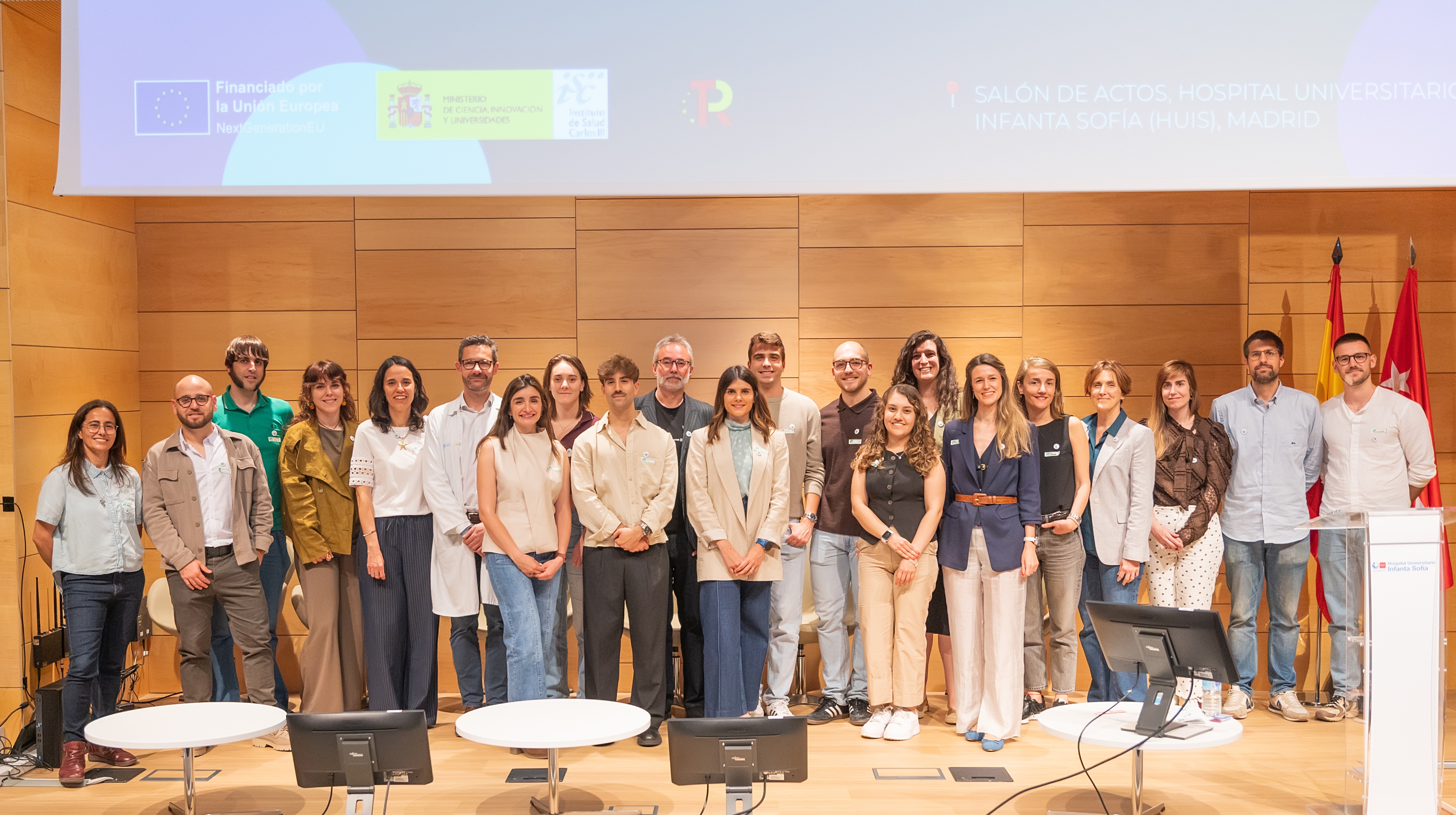
The Core Facilities of the Can Ruti Campus: cutting-edge technology driving excellence in research

At the Campus Can Ruti Core Facilities Infoday, the Josep Carreras Leukaemia Research Institute and the Germans Trias i Pujol Research Institute showcased their scientific services and the support they can offer to research conducted both on the campus and externally. The event also featured the presentation of the new IGTP-IJC Joint Flow Cytometry Unit, which has one of the most advanced infrastructures in the EU, as well as the new IJC's Translational-PATH2CURE hub, which aims to accelerate the translation of scientific discoveries into treatments for patients.

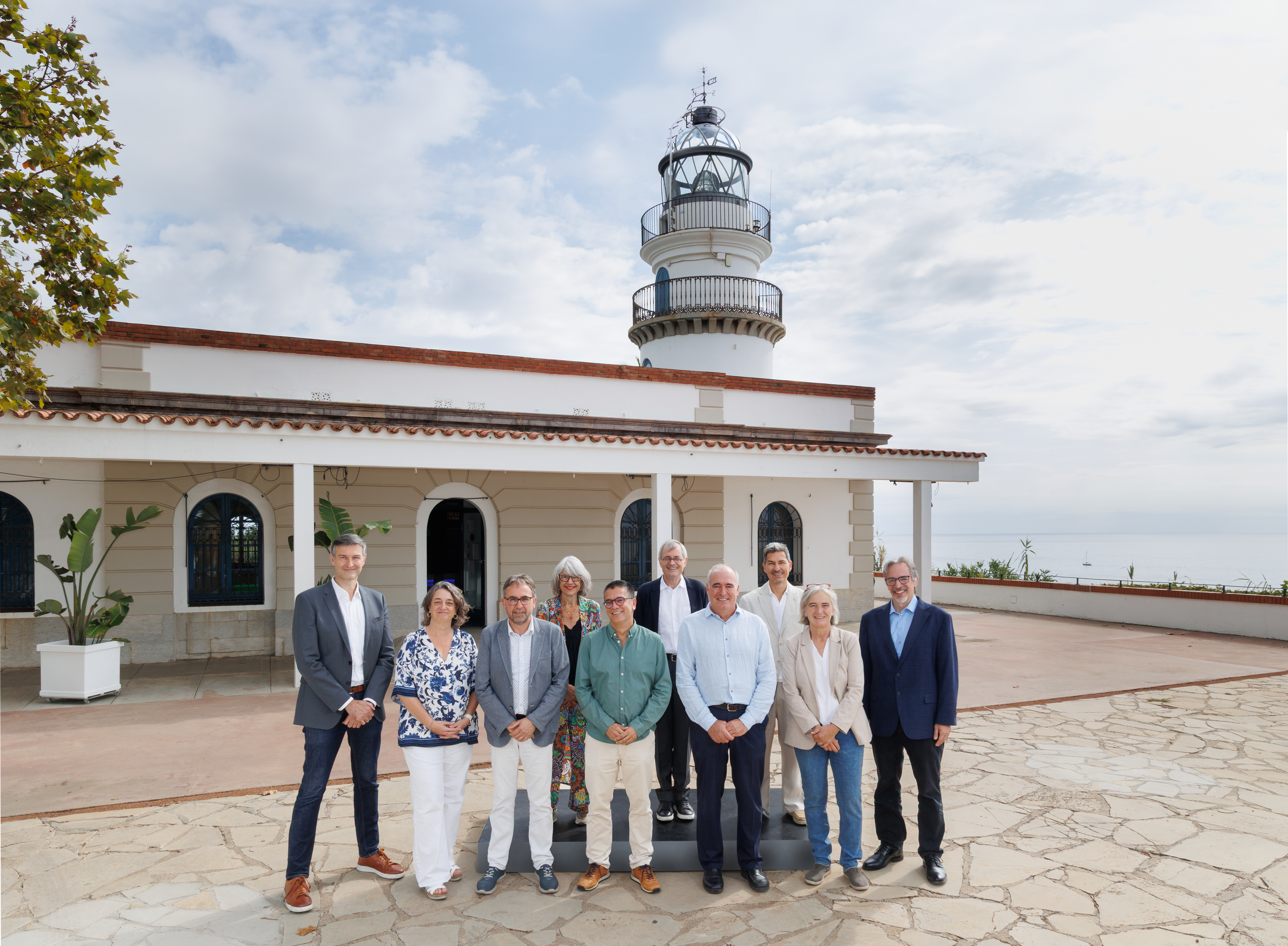
The Fundació Catalunya La Pedrera awards 33 Talents Grants to retain medical and research talent in Catalonia

The Talents Grants for the 2024 and 2025 editions have been granted by the Fundació Catalunya La Pedrera, supporting healthcare professionals in developing research projects that will lead to their doctoral theses. This initiative, originally created through a collaboration with the Research Institute and Hospital Germans Trias i Pujol, now also includes Hospital Clínic Barcelona, the Vall d'Hebron Institute of Oncology and Hospital de Bellvitge.