
A study in Catalonia finds a reduction in risk practices associated with injecting drug use, but warns of persistent social and health vulnerabilities
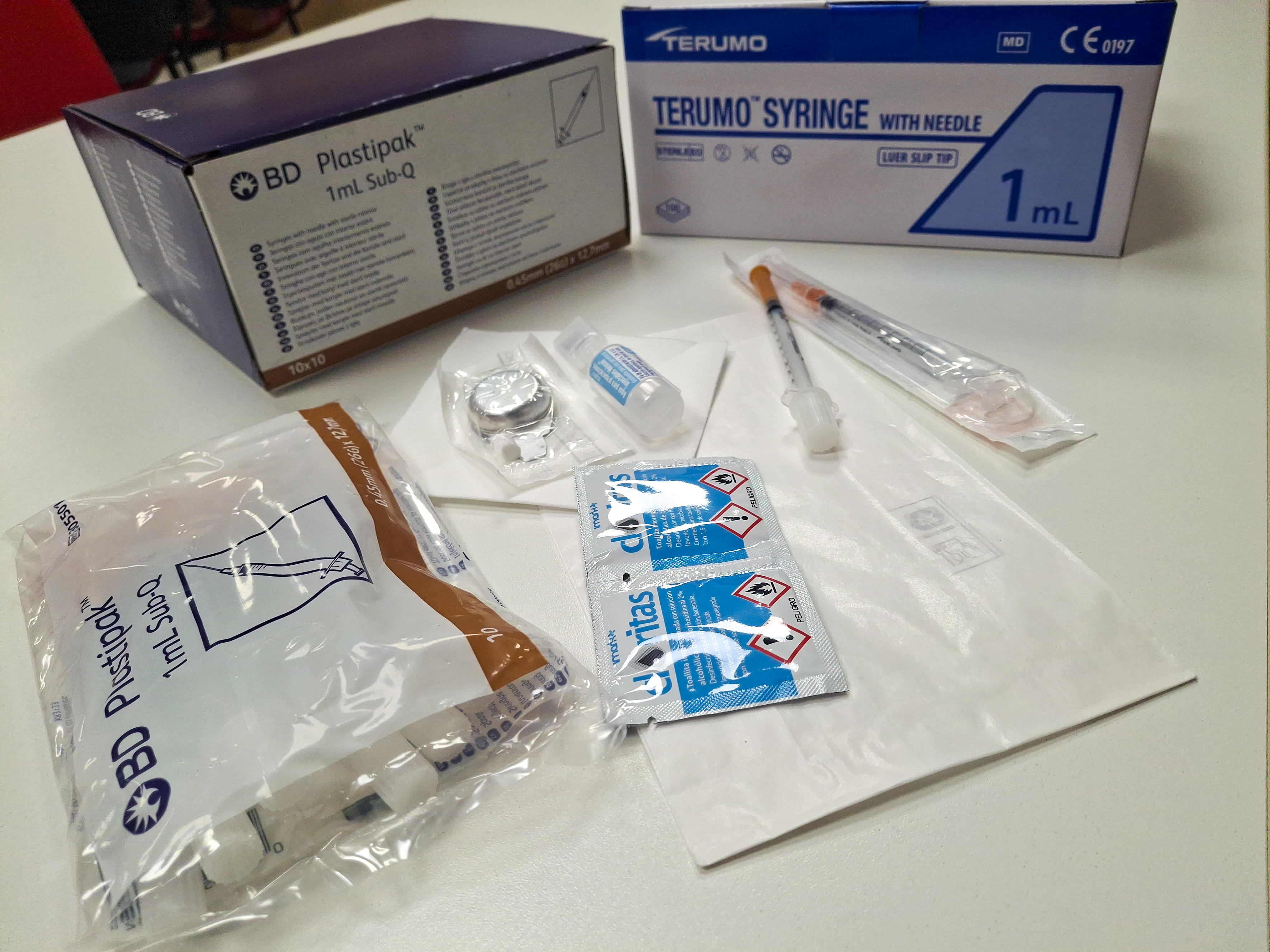
The REDAN study, involving 533 people attending harm reduction centres in Catalonia, shows a decline in certain risk practices and highlights the importance of addressing the social determinants of health.
People who inject drugs remain at high risk of HIV and hepatitis C virus (HCV) infection and overdose, but their health is also strongly influenced by social and structural factors, such as homelessness, mental health problems and experiences of violence.
Understanding these realities and how they evolve is the aim of the REDAN study, a behavioural and biological surveillance study conducted periodically since 2008, which helps guide public health interventions and adapt harm reduction services to people's needs.
Between October 2024 and February 2025, 533 people who inject drugs and attend harm reduction centres in Catalonia took part in the study, providing information on their health status, living conditions, drug use patterns, experiences of overdose and violence, mental health and access to healthcare services.
Fewer risk practices and better access to sterile injecting equipment
The results show a downward trend in certain risk practices associated with injecting drug use. The prevalence of sharing used syringes stands at 16% (compared with 20-22% in 2008, when the study was first conducted), and more than 90% of participants reported that obtaining sterile syringes was easy or very easy.
This positive trend is consistent with the implementation of harm reduction policies and programmes in Catalonia and reinforces the importance of maintaining and adapting prevention strategies.
A new test to detect active hepatitis C virus infection
Historically, REDAN has monitored the proportion of people previously exposed to HCV using an oral fluid antibody test. For the first time, REDAN has also incorporated a test using dried blood spot samples collected by finger prick to detect active HCV infection by identifying the virus's genetic material in a subsample of 289 participants. Among those with analysable results, 18.8% had an active infection and, of these, more than half (52.8%) were unaware of it.
This new test has made it possible to identify people with hepatitis C and facilitate their linkage to healthcare services to initiate antiviral treatment.
Among all participants, 35.2% had HIV infection and 69.4% had antibodies against the hepatitis C virus (HCV), indicating a past or current infection.
The importance of a comprehensive, person-centred approach
REDAN also highlights social needs that require a comprehensive response. One in two participants (50.3%) was experiencing homelessness, and, over the previous year, 47.6% of women and 39% of men participating in the study had experienced physical and/or sexual violence, with significant differences between sexes: almost half of the women reported having experienced violence from their partners, while 47% of men reported having experienced violence from strangers.
The findings reinforce the importance of continuing efforts to reach more people and better meet their needs: facilitating diagnosis and linkage to treatment, maintaining access to sterile injecting equipment and expanding harm reduction services in areas where they are less accessible.
The study also highlights the need to move towards a more comprehensive approach that addresses homelessness, mental health and experiences of violence, while adapting interventions to inequalities related to gender, origin and geographical location.
The REDAN study is coordinated by the Centre for Epidemiological Studies on HIV/AIDS and STI of Catalonia (CEEISCAT), which operates under the Subdirecció General d'Addiccions, VIH, Infeccions de Transmissió Sexual i Hepatitis Víriques of the Secretaria de Salut Pública and is part of the Germans Trias i Pujol Research Institute (IGTP) and the Centro de Investigación Biomédica en Red de Epidemiología y Salud Pública (CIBERESP) as a research group. The study also involves the Servei de Microbiologia (LCMN) at the Hospital Universitari Germans Trias i Pujol, the Agència de Salut Pública de Catalunya (ASPCAT), the Agència de Salut Pública de Barcelona (ASPB), the Universitat Autònoma de Barcelona (UAB) and the Fundació Àmbit Prevenció (FAP).
- Read the full results report: Monitoratge del VIH, VHC i dels seus determinants en persones que s'injecten drogues usuàries de centres de reducció de danys a Catalunya. Estudi REDAN, 2024-2025.
- Read the executive summary of the report: Monitoratge del VIH, VHC i dels seus determinants en persones que s'injecten drogues usuàries de Centres de Reducció de Danys a Catalunya: Estudi REDAN, 2024-2025.